



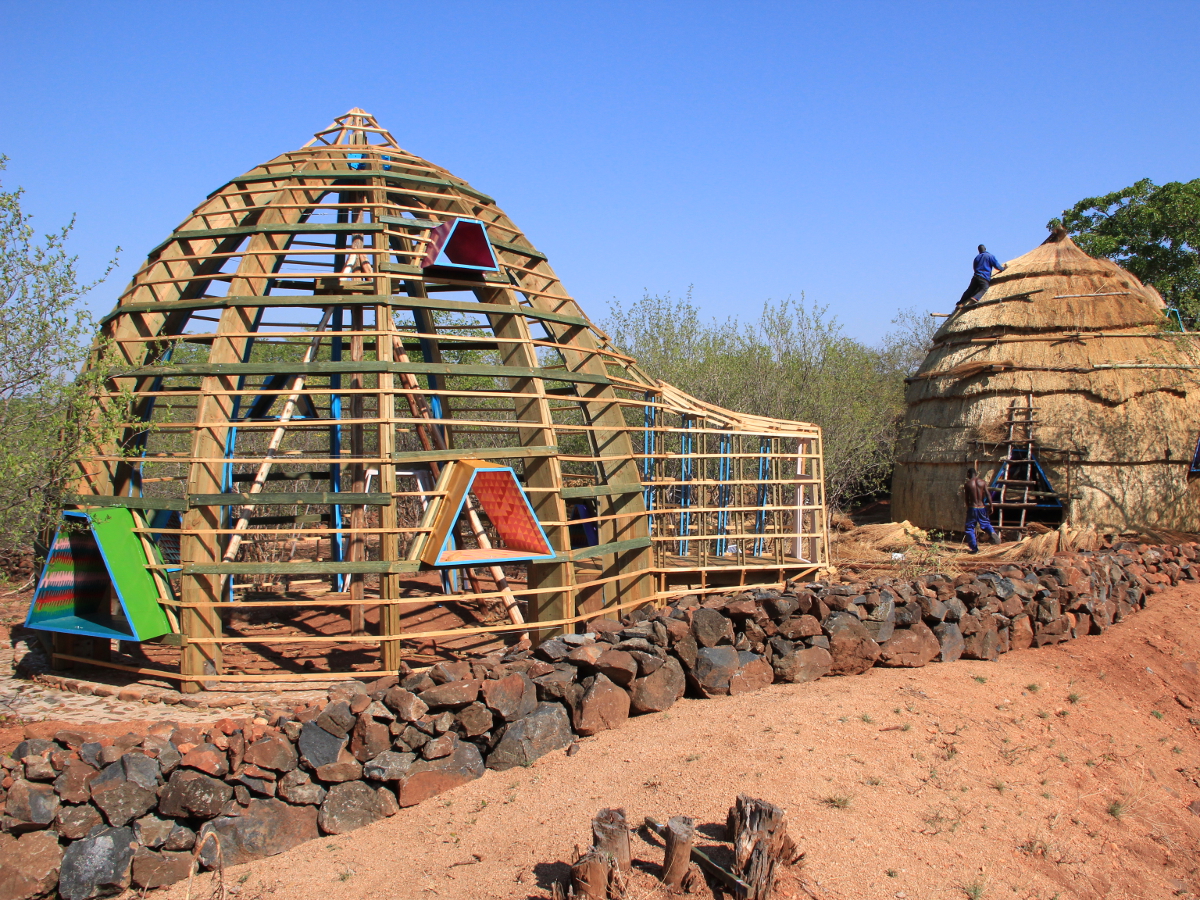
"PORET (Participatory Organic Research Extension and Training)" is dedicated to improving the living conditions of the people in Chaseyama, Zimbabwe, through the "PORET Education Center" (permaculture agricultural techniques) and a multi-purpose community center.
Agriculture provides the basis for the livelihood of the population of Chaseyama, however soil erosion is a serious problem in the region. The application of permacultural techniques has helped to transform desertified land into fertile soil to support sustainable food production. Beyond the focus on sustainable agricultural techniques, a community center has been built up, providing daycare and pre-school facilities, and educational activities related to various topics (e.g. permaculture, health, HIV-prevention) are off ered. The erection of two kindergarten buildings has been funded by Crossing Borders.
How to support this project?
The project is looking for non-monetary donations (color pens, drawing pads, pillows and mattresses, tableware and toys) as well as financial contributions in order to purchase a car (transport of school children, emergency vehicle). University students also have the opportunity to do an internship with the organization in Zimbabwe.
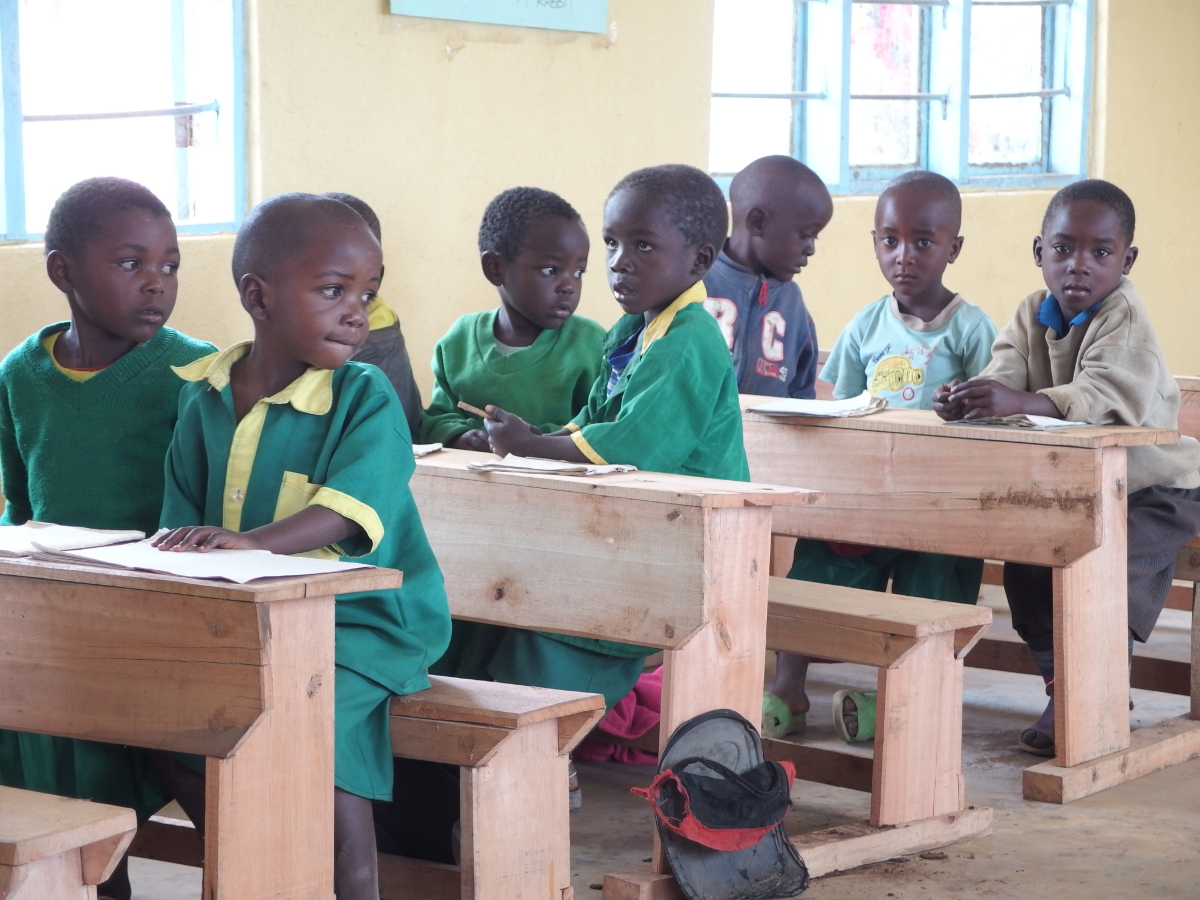
The project focuses on supporting rural development in the densely populated Mdabulo region in Tanzania. In cooperation with Crossing Borders, it has been possible to build a kindergarten and to support orphans and young adults in need with a dedicated house renovation program.
The organization "Eine Weltgruppe Schlins/Röns" brings together people with experience in development aid, and focuses on contributing to the long-term sustainable development in the target region. The original focus on agricultural questions and erosion control has been broadened to include other topics as well: the construction of childcare facilities; the support of orphans and young adults; ensuring a safe supply of drinking water; and the organization of rural vocational education centers. An emphasis is placed on the setting up of a reliable and long-term oriented local partner organization, the "Rural Development Organization Mdabulo".
How to support this project?
The project is looking for further support with the house renovation program and the enlargement of vocational training facilities. Supporters with expert knowledge in the construction of basic power supply systems are welcome. Also, teaching material for electrical engineering training is needed.
Partners:
Eine Weltgruppe Schlins/Röns
RDO Mdabulo
http://www.eineweltgruppe.at/
Where:
Mdabulo, Iringa region (Tanzania)
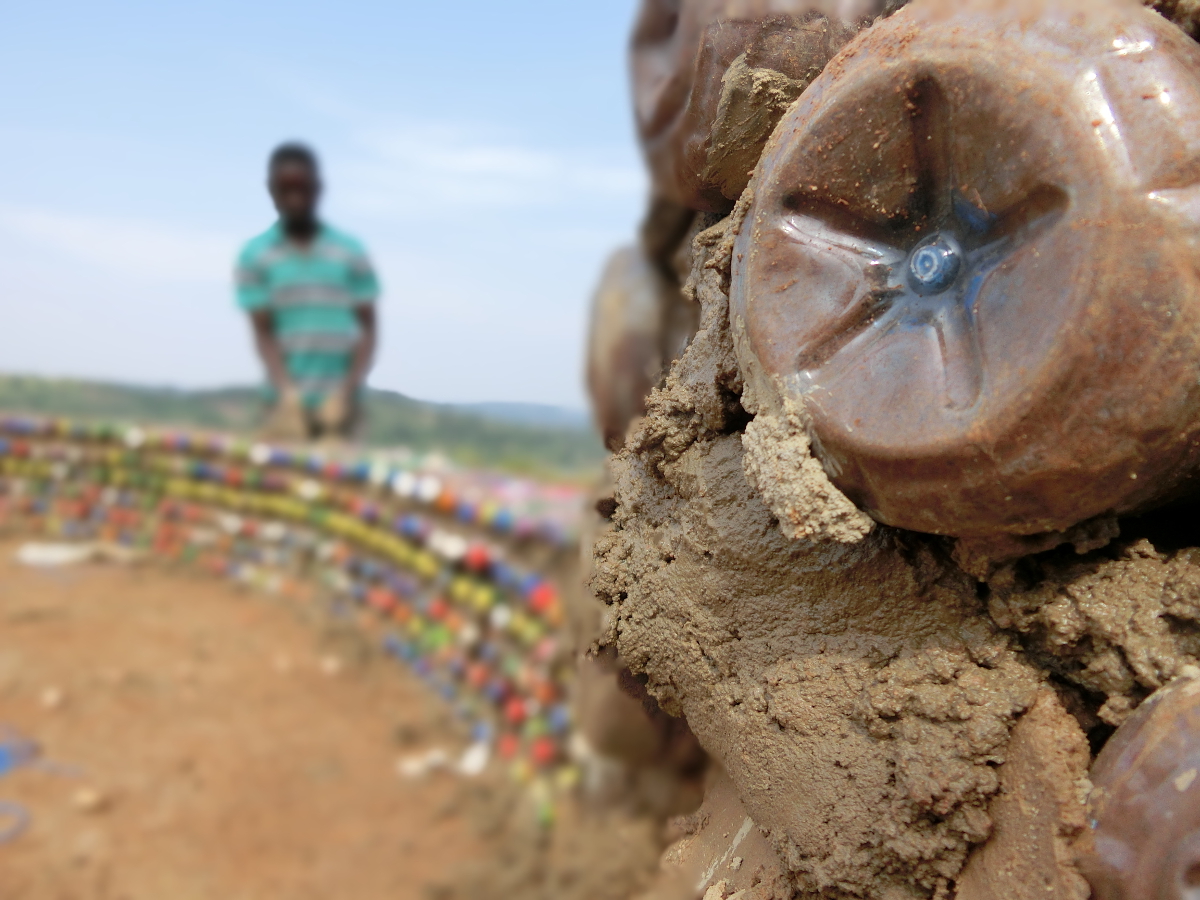
The "Social Innovation Academy (SINA)" is an incubator for social business ideas of young adults from marginalized backgrounds. SINA supports them in building sustainable businesses.
Uganda has very high youth unemployment rates. At the same time, the education system is very rigid. Despite having completed their education, a large number of young people are unemployed. SINA targets young adults from marginalized backgrounds and offers them an opportunity to create their own employment. Scholars receive basic training before starting to work in a social enterprise. The self-organized SINA community supports the development of sustainable business ideas. Scholars receive resources, tools, knowledge and mentoring on their way towards self-employment.
How to support this project?
The project offers opportunities for volunteers and interns to support SINA in Uganda. In addition, experts in the field of IT, business and marketing are needed in order support the startups. SINA is also looking for external mentors. Finally, concrete input in the form of practical ideas for innovative uses of waste material in construction is welcome.
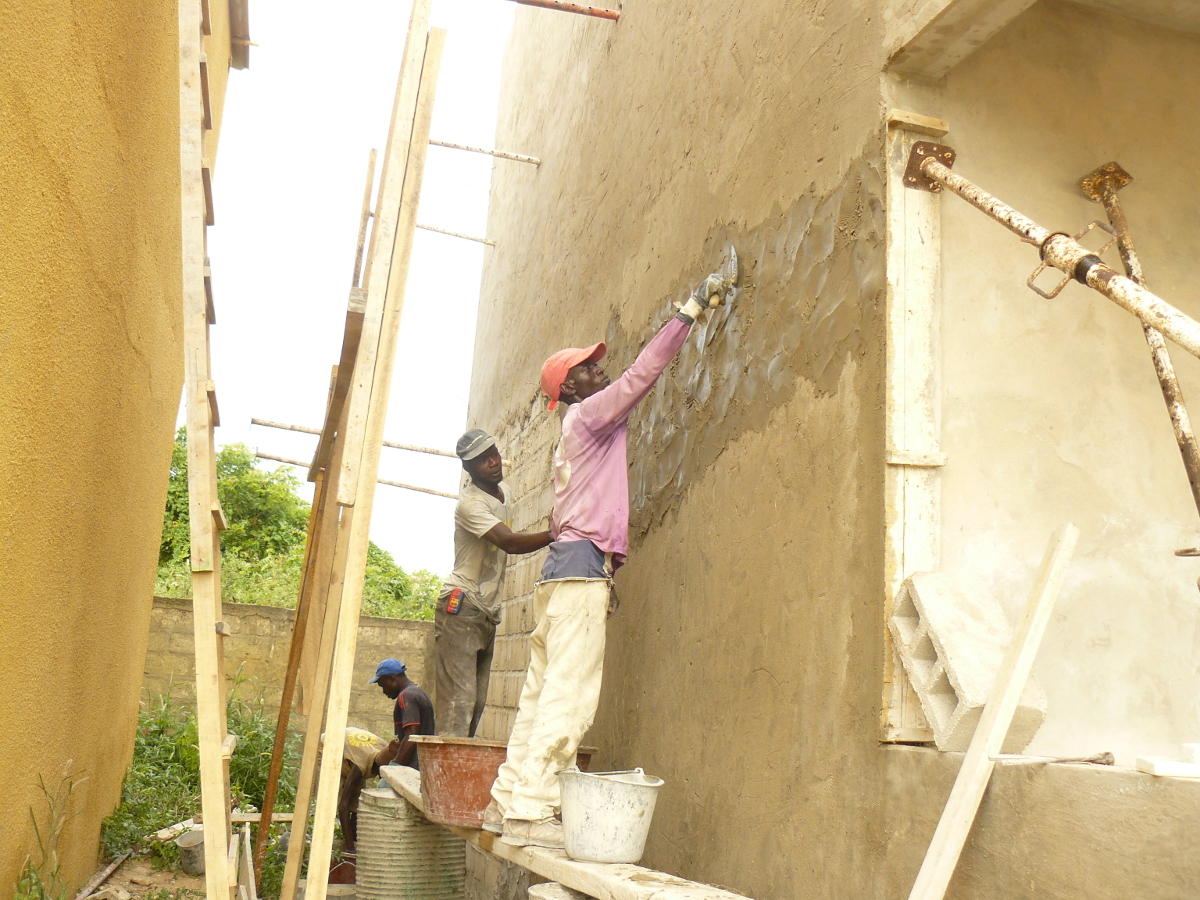
The project supports the construction of additional school buildings in the Senegalese village of Mballing. In addition to the pupils, their families, local construction workers, and local supply companies also profit from these activities.
The population growth in the village of Mballing has caused a need for new and improved teaching facilities. Up to now, three classroom buildings and sanitary facilities have been built. Currently, the erection of a multi-purpose hall and additional facilities such as a library, studying rooms for the pupils, and additional classrooms are planned. The activities do not only improve the educational infrastructure but also provide continuous employment for about 25 to 30 local crafstpeople. Local suppliers prof t as well.
How to support this project?
Volunteers ready to support the work in Senegal as translators (German/French) or those willing to contribute to the activities at the schools, for example as photographers and filmmakers for documentation purposes, are welcome. Professional expertise regarding the construction of additional buildings is needed. Volunteers in Vorarlberg are welcome to support fundraising activities and the organization of aid transports.
Partners:
Association "Wissen macht Stark"
http://www.wissen-macht-stark.com/
Where:
Mballing (Senegal)
The St. Jude Secondary School provides education to orphans and disadvantaged children in a region with one of the highest HIV infection rates worldwide.
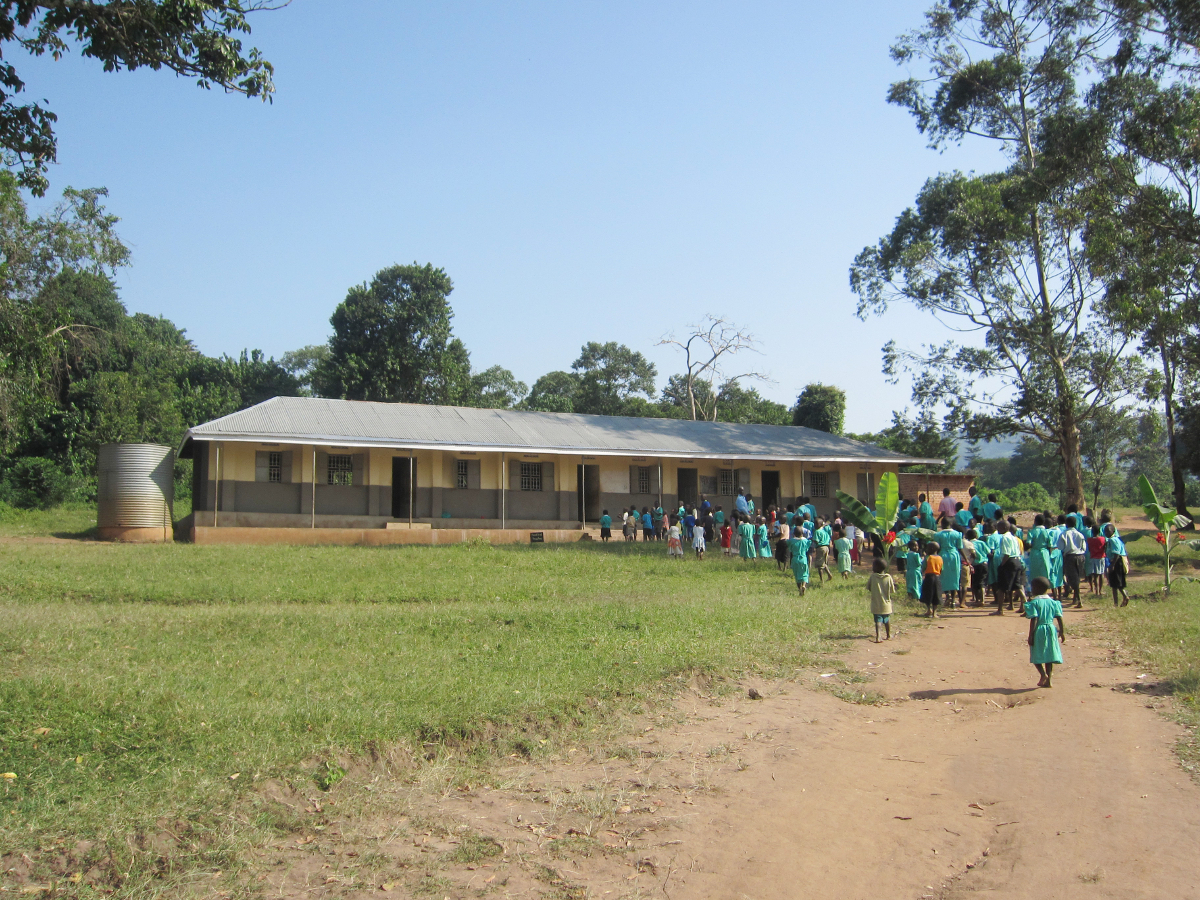
The school’s founder, Mary Babyrie Kbanda, was housing approximately 40 orphans for whom she could not raise the tuition fees necessary for them to obtain a proper education. That is when she had the idea of establishing a school that supports the educational career of disadvantaged children with the financial contributions of those more fortunate. Since 2006, Crossing Borders has supported the construction of classrooms, dormitories, a multi-purpose hall, and various technical facilities necessary in order to properly run the school. Even though the St. Jude Secondary School has model character for the whole region, the lack of space is currently a problem. In 2014, the girls’ dormitory was destroyed by arson.
How to support this project?
The project is looking for donations of clothing.
Partners:
Mary Babyrie Kabanda Reinhilde Müller
Where:
Masaka (Uganda)